
Department of Diagnostic Imaging and Radiotherapy
Milano
Via Giacomo Venezian, 1 , 20133 Milano MI
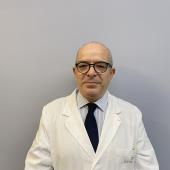
The Department of Diagnostic Imaging and Radiotherapy includes facilities, resources, and infrastructure in which professionals from different disciplines work in close interdisciplinary collaboration. It is equipped with a large number of advanced technological instruments and features a modern, high-value equipment fleet (3 MRI scanners, 2 multi-slice CT scanners, 2 PET/CT systems, 2 digital mammography units, 2 angiography systems, 3 tomographic gamma cameras, 4 conventional radiology units, 2 Orthoclino systems, 9 ultrasound machines, 5 radiotherapy linear accelerators, 1 TrueBeam system, a 17 MeV cyclotron with radiochemistry facilities, and several portable ultrasound and radiology devices for bedside patient care).
The Department is focused on the implementation of so-called biological imaging and on the use of imaging to optimize radiotherapy. New radiopharmaceuticals are developed within the Department, enabling both the selective visualization of tumors and their treatment, as well as approaches in metabolic radiotherapy. These activities are the result of intensive collaboration among numerous experts from different fields, including radiologists, nuclear medicine physicians, radiation oncologists, medical oncologists, physicists, chemists, radiochemists, biologists, engineers, and biostatisticians.
The Units are organized as follows: one Complex Unit of Radiology, one Complex Unit of Nuclear Medicine, two Complex Units of Radiotherapy, and one Departmental Unit of Medical Physics.
The Radiodiagnostic Unit is dedicated to the diagnosis, staging, and monitoring of oncological diseases. It performs conventional and tomographic radiography, magnetic resonance imaging (MRI), and services for breast pathology (mammography, ultrasound, and image-guided biopsies).
The Unit is also dedicated to computed tomography (CT), angiography, general interventional radiology and intralesional treatments, as well as radiological examinations for the evaluation of the gastrointestinal system. The Nuclear Medicine Unit uses single-photon emission computed tomography (SPECT) with gamma cameras and positron emission tomography (PET) for diagnosing most oncological conditions. In this area, modern hybrid PET/CT systems are used, enabling the fusion of morphological and functional images and thus improving diagnostic accuracy.
Radiopharmaceuticals required for diagnosis and therapy are produced in the Radiochemistry Laboratories, which also include a 17 MeV cyclotron for the production of positron-emitting radioisotopes. A dedicated section with shielded rooms is used for the hospitalization of patients undergoing metabolic radiotherapy treatments, where the administration of radiopharmaceuticals and the calculation of optimal doses are refined through pre-therapeutic dosimetric evaluation.
External beam radiotherapy (including 3D conformal radiotherapy, intensity-modulated radiotherapy [IMRT], and image-guided radiotherapy [IGRT]) represents the main activity of Radiotherapy Unit 1. The activities of Radiotherapy Unit 2, in addition to some external radiotherapy applications, include high-dose-rate brachytherapy (HDR-BT) and combined chemo-radiotherapy treatments, carried out in a small inpatient ward with 4 rooms for a total of 8 beds.
A Complex Unit of Medical Physics supports Radiotherapy Units 1 and 2 in treatment planning and dosimetric evaluations. This Unit also performs quality control of the equipment used in diagnostic procedures.
Numerous research activities are conducted within the Department, in line with the Institute’s institutional mission. These include clinical research carried out in collaboration with medical oncologists and surgeons, both in the fields of diagnosis and therapy. In addition, methodological and technological research is performed (such as the development of new investigative methods, the use of new software, and the application of innovative procedures), as well as translational research, including the development and study of new radiopharmaceuticals for diagnosis and therapy.
This area of activity requires strong integration between clinical and experimental sectors, with experimental researchers working within the Department and collaborating in an interdisciplinary manner. It also involves the IT sector, which has networked all systems, contributing to the development of programs that meet researchers’ needs and to the implementation of software that improves patient management and data utilization.
- Mail: alfonso.marchiano@istitutotumori.mi.it
- Tel: 0223902060
Nuclear Medicine
Diagnostic and Interventional Radiology Unit
Radiation Oncology Unit
Medical Physics Unit
Paediatric Radiotherapy
Last update: 23/04/2026